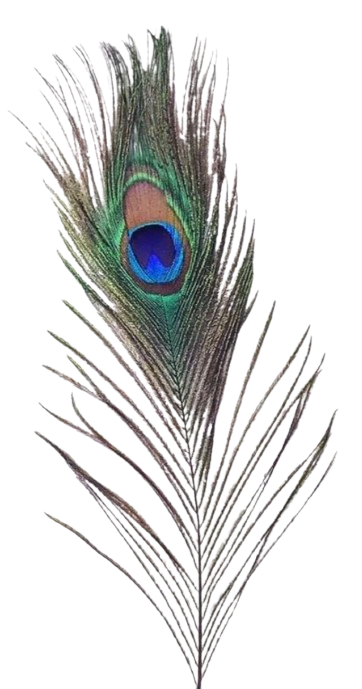
From being a cow herdler to performing in a concert hall.
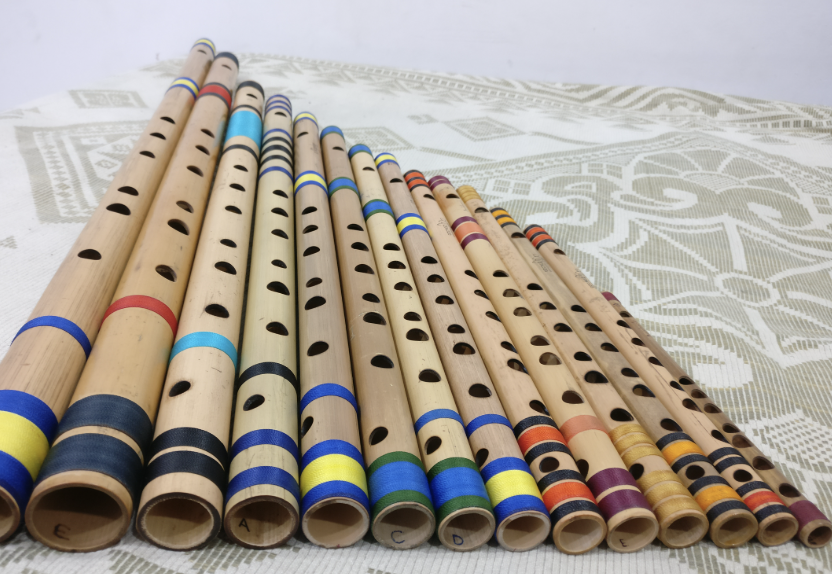
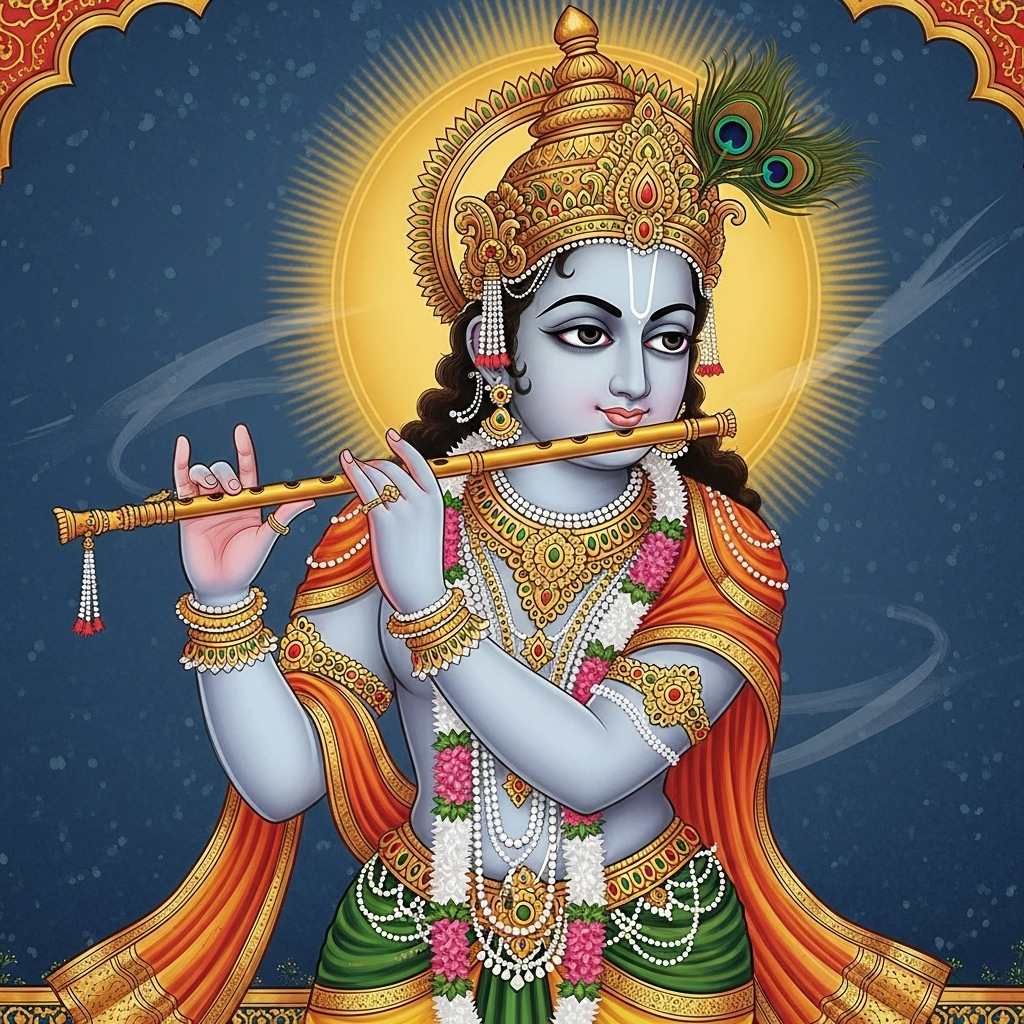
The bamboo flute (bansuri) is so old that nobody can actuall date it. And it is carved into various religious temple walls like Buddhist, Hindu, and Jain. It is super important for Krishna, who is a Hindu god that is depicted for playing the most beautiful flute scales EVER.
Honestly for most of the history it pretty much stayed as a folk instrument. It was small and played in villages and it did not appear on atleast one Hindustani conert stage at all and that all changed one lifetime.
1911-1960
Pannalal Ghosh
He was born in Barisal and he rebuilt the instrument to make it fit for classical music. And it was much more longer than any other flute that time, around 32 inches I believe. It dropped the pitch and gave it the sustain effect a raga needs. He popularized the seventh hole and studied under someone named Allauddin Khan. Before him the bansuri was not even a concert instrument, it was used only for village songs. But he made such a big change that after him it was.
Born on 1938
Hariprasad Chaurasia
He is still alive today and one of my favourite flute players in the world. He carried it out of India. Fifty years of recordings across most of the major ragas. He taught gurukul in Vrindavan, and collabed with Western musicians and he gave the bansuri a profile thats comparable with the sitar.
In a performance the bansuri is usually joined by another Indian instrument called the Tabla, which many of you have heard. It is used for rhythm and a tanpura droning underneath, holding the tonic of the bansuri so the never loses its pitch. You can switch that drone on in the studio below. Try it.